
PRP Injections (Platelet-Rich Plasma Therapy)
What is PRP Therapy?
Platelet-Rich Plasma (PRP) therapy is an injection treatment that uses a concentrated portion of your own blood to help stimulate the body's natural healing response. PRP contains a high concentration of platelets, which release growth factors that may assist in the repair of injured tissues.
PRP is commonly used for a range of musculoskeletal conditions, including:
- Tendon injuries and chronic tendinopathy
- Ligament injuries
- Muscle injuries
- Mild to moderate osteoarthritis
- Persistent soft tissue injuries that have not responded to rehabilitation
How Does PRP Work?
Some tissues, particularly tendons and ligaments, have a limited blood supply and can struggle to heal naturally. PRP aims to stimulate a healing response by delivering a concentrated dose of platelets directly to the injured tissue.
These platelets release growth factors that may promote tissue repair, collagen production and cellular regeneration, helping support the body's recovery process.
Am I a Candidate for PRP?
PRP may be suitable for patients who:
- Have chronic tendon, ligament or muscle injuries
- Have mild to moderate osteoarthritis
- Have ongoing pain despite physiotherapy or other conservative treatments
- Are looking to avoid or delay surgery
A consultation with one of our Specialist Doctors or Sports & Exercise Physicians is required to determine whether PRP is appropriate for your condition.
What PRP Systems Do We Use at Ringwood Sports Medicine?
At Ringwood Sports Medicine, our Sports and Exercise Physicians utilise both the Alocuro PRP System and RegenLab PRP System when performing PRP injections.
These are internationally recognised PRP preparation systems that allow our doctors to produce high-quality platelet-rich plasma tailored to the specific condition being treated. Depending on the injury and clinical indication, the PRP preparation can be adjusted to achieve different concentrations of platelets and white blood cells (leukocytes).
This flexibility enables our doctors to select the most appropriate PRP formulation for a range of conditions, including tendon injuries, ligament injuries, muscle injuries and osteoarthritis.
The choice of system and PRP preparation is determined by your treating doctor based on the nature of your injury, current evidence, and your individual treatment goals.
For more information about these systems, please visit the official websites of the manufacturers:
What Happens During the Procedure?
The procedure typically takes 20–40 minutes.
- A small amount of blood is taken from your arm.
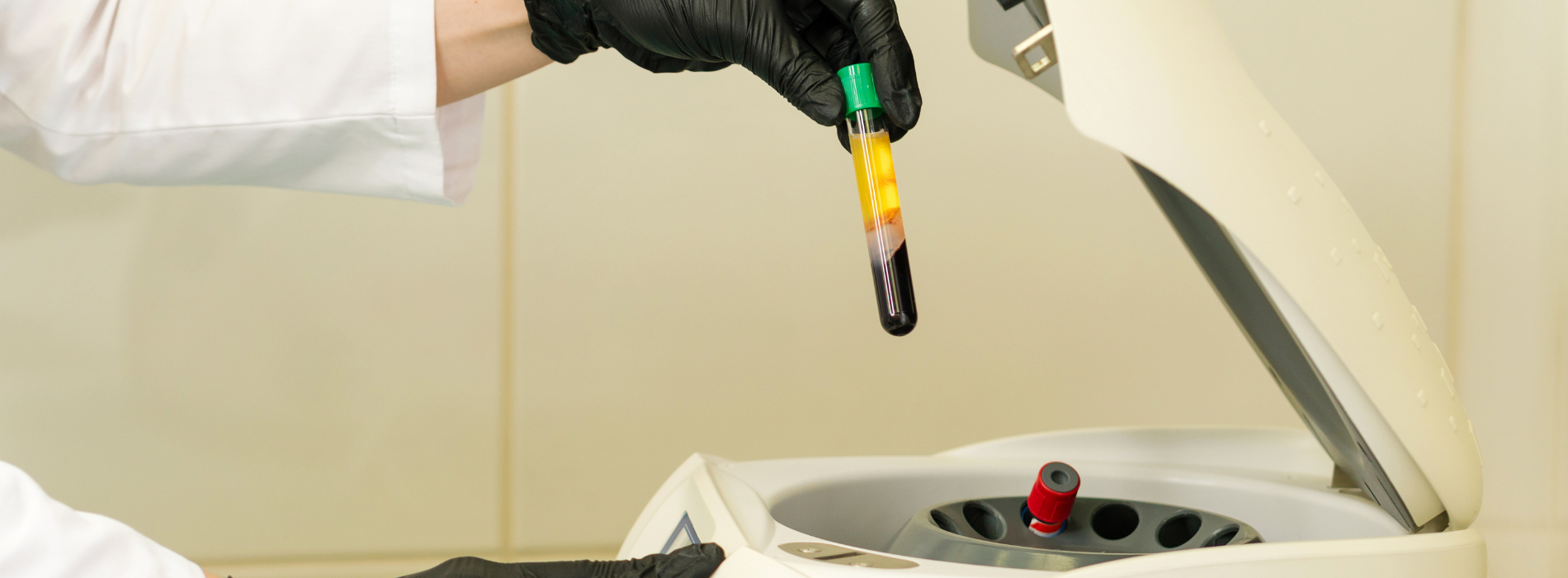
- The blood is processed in a centrifuge to concentrate the platelets.
- The PRP is prepared for injection.
- Using ultrasound guidance, the PRP is injected into the affected area for optimal accuracy.
Local anaesthetic may be used where appropriate to improve comfort during the procedure.
What Should I Expect After the Injection?
It is common to experience some soreness, swelling or discomfort for several days following treatment. This is often part of the body's natural healing response.
Following your injection:
- Avoid strenuous activity for the first 48 hours.
- Follow the activity guidelines provided by your doctor.
- Avoid anti-inflammatory medications (such as ibuprofen) unless specifically advised.
- Attend any recommended rehabilitation sessions.
A personalised rehabilitation program is often recommended to optimise outcomes.
When Will I Notice Results?
Improvement may begin within several weeks, although healing and symptom improvement can continue over several months.
Results vary depending on the condition being treated, the severity of the injury and adherence to the recommended rehabilitation program.
Some patients may require more than one PRP injection to achieve the desired outcome.
Benefits of PRP
- Uses your own blood
- Minimally invasive procedure
- Ultrasound-guided precision
- May reduce pain and improve function
- May help avoid or delay surgery in selected patients
- Can be combined with physiotherapy and rehabilitation
Important Information
As with any injection procedure, there are potential risks and complications, although serious adverse events are uncommon.
PRP forms part of a comprehensive treatment approach and is often used alongside physiotherapy, exercise rehabilitation and other evidence-based treatments.
Medicare & Referrals
PRP injections do not currently attract a Medicare rebate.
While a referral is not essential, a GP or specialist referral may allow you to claim a higher Medicare rebate for your consultation.
Book an Appointment
To determine whether PRP therapy is suitable for your condition, contact Ringwood Sports Medicine to arrange an assessment with one of our Specialist Doctors.