
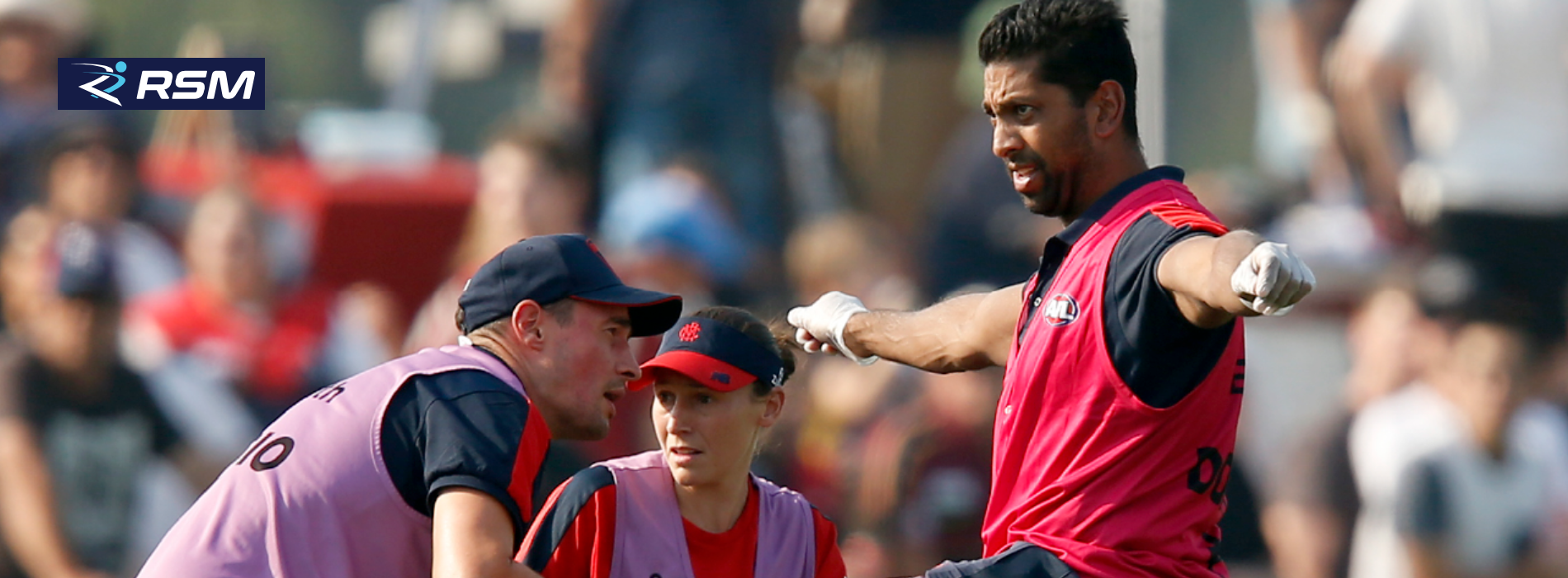
Sports and Exercise Medicine at Ringwood Sports Medicine
Sports and Exercise Medicine is a dynamic and expanding discipline, delivered through our dedicated sports medicine clinic by Sports Medicine Doctors who are fully qualified medical doctors with advanced training in the diagnosis and management of musculoskeletal injuries and pain.
Each sports medicine doctor provides expert assessment and tailored sports medicine consultation plans for complex conditions, including those requiring advanced interventions such as interventional medicine. Working collaboratively with physiotherapists, surgeons, and other healthcare professionals, our Sports Physicians ensure comprehensive and optimal sports injury management for patients experiencing pain or injury.
Modern, Evidence Based Treatments
Interventional Medicine
Our Sports Physicians are highly trained in interventional medicine, delivering advanced sports medicine treatments through targeted, minimally invasive procedures, often guided by advanced imaging. These treatments allow effective management of many conditions without the need for major surgery.
Within this specialised field, our sports medicine doctors assess whether treatments such as cortisone or platelet rich plasma (PRP) injections are appropriate, or if more advanced sports medicine treatments, including nerve blocks or radio frequency denervation, may be required.
Who We Treat
While our sports medicine clinic has extensive experience supporting professional and Olympic-level athletes, the majority of patients we see are everyday individuals seeking effective sports injury management, a return to activity, or improved physical performance. We believe everyone deserves access to expert sports medicine care, regardless of their starting point.
Referral Information
To access our sports medicine consultation services and receive a Medicare rebate, we recommend obtaining a GP referral prior to your appointment with one of our Sports Medicine Doctors.
We’d Love to Hear From You
Frequently Asked Questions - Sports Medicine
A GP referral isn’t mandatory, but it’s required for higher Medicare rebates when seeing a sports doctor in Melbourne, Doncaster, Box Hill, or surrounding eastern suburbs.
Sports physicians diagnose injuries and provide medical treatments, including injections, while physiotherapists focus on hands-on therapy and rehabilitation programs across Melbourne and eastern regional clinics.
Private health extras usually cover physiotherapy, while sports physician consultations are Medicare-based. Patients from Melbourne CBD, Glen Waverley, and regional Victoria commonly use Medicare rebates.
Look for ACSEP Fellows or APA-titled sports physiotherapists experienced in ACL rehabilitation across Doncaster, Box Hill, Glen Waverley, and eastern Melbourne sports medicine clinics.
Your consultation includes injury history, physical assessment, and possible imaging. This process is standard for patients attending sports medicine clinics from Melbourne CBD to regional Victoria.
Strains cause tightness and discomfort, while tears involve sharp pain, swelling, bruising, and loss of function. Sports medicine assessment helps confirm severity and guide recovery.
Downhill running increases kneecap stress, often linked to quad fatigue or poor hip control. This is commonly assessed in sports medicine clinics across Melbourne’s eastern suburbs.
Symptoms include headache, dizziness, confusion, light sensitivity, and delayed reactions. Sports medicine assessment is critical after head impacts in community and junior sports across Victoria.
Use ice for acute swelling within 48 hours. Heat helps muscle stiffness in chronic conditions. Sports medicine advice ensures correct use for optimal recovery.
Yes. Rest, Ice, Compression, Elevation, and Referral remains Australia’s first-aid standard for managing acute soft tissue injuries before sports medicine review.
Australian guidelines require a graded six-stage, symptom-free progression. Sports medicine supervision is essential, especially for athletes returning to contact sport across Victoria.
Yes. Shockwave therapy can stimulate healing in chronic tendon injuries and is commonly used in sports medicine clinics across Melbourne and regional centres.
Recovery typically takes 4–8 weeks, depending on injury severity, location, and adherence to structured sports medicine-led rehabilitation programs.
PRP injections use your own blood’s growth factors to support tendon and joint healing. Sports medicine clinics may recommend PRP after conservative treatments fail.
Tracking heart rate variability and resting heart rate helps identify fatigue. Sports medicine professionals can interpret wearable data to guide safer training loads.
Ask us a Question
Feel free to ask any physical therapy related questions over the phone, or get send your question via this form below. Your message will be dispatched directly to our staff who will answer as soon as they can.